IP caught in any form.
Designs, formulas, and code get classified as IP by meaning, whether they sit in CAD files, spreadsheets, or supplier folders.
Inside discovery and classification →
Secuvy learns your designs, recipes, and process data itself, in place, and classifies the IP no generic rule would ever recognize.
AI on the factory floor runs on the same files that hold your designs, recipes, and tolerances: the company itself.
“Data compromised in manufacturing breaches:
- 81%
- Internal — emails, plans, reports
- 26%
- Credentials
- 22%
- Other
- 17%
- Personal”
A pattern rule can find a credit card number. It cannot tell a proprietary process recipe from an ordinary spreadsheet, because to a rule they look the same.
To a rule, the crown jewels are just files.
You define what matters, anything from a design to a recipe, and Secuvy finds it in your data, unsupervised and in place.
It proposes a classification. Your engineers confirm, and the engine gets sharper on your files with every confirmation.
One-of-a-kind IP needs a classifier that learns.
How Secuvy learns without rules →Designs, formulas, and code get classified as IP by meaning, whether they sit in CAD files, spreadsheets, or supplier folders.
Inside discovery and classification →Your teams confirm Secuvy's classifications instead of inventorying shares by hand, and the queue shrinks as the engine learns your plants.
Why the engine learns →A Data Bill of Materials records what fed each model and what was held out, so IP questions get answered from a record.
The DBOM in depth →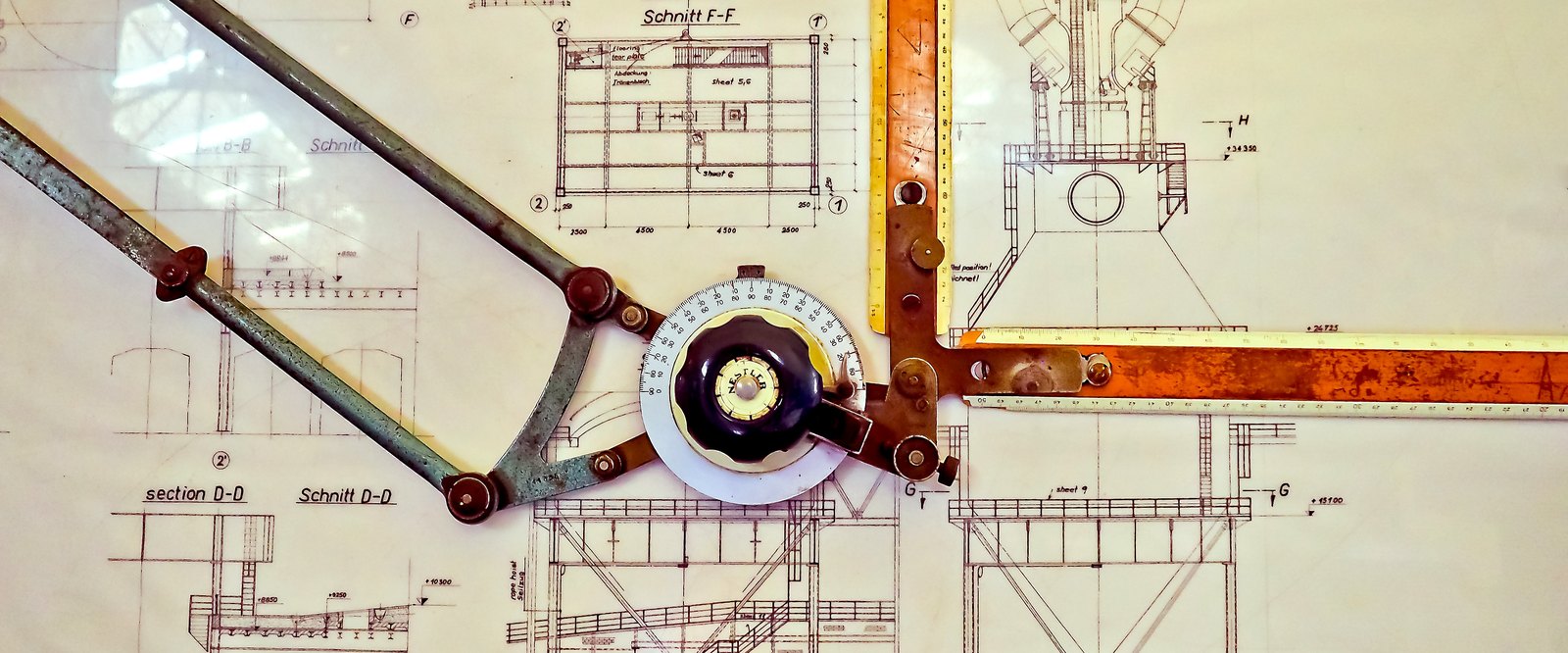
Design files and R&D notes are the IP that matters most. Secuvy classifies them by meaning, and a data bill of materials records which fed each model.
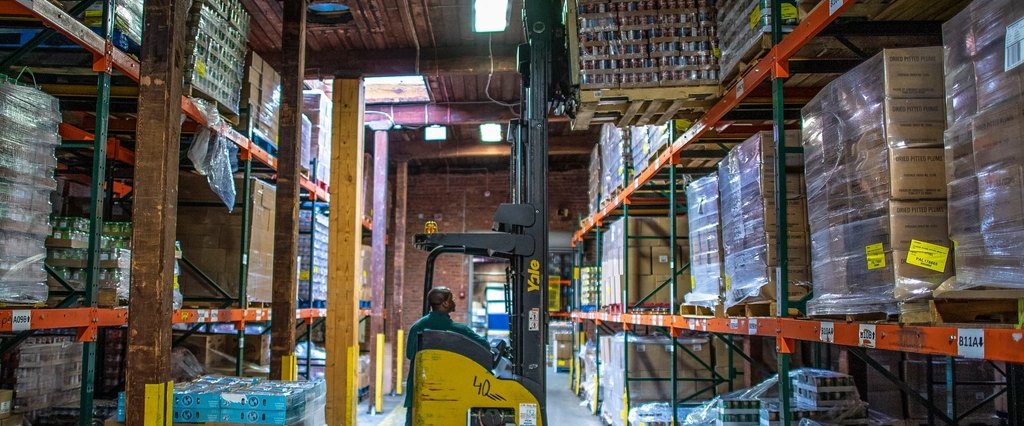
Bills of materials, specs, and supplier records spread across PLM, ERP, and shared folders. Secuvy finds and tags them, so partner sharing starts from checked data.
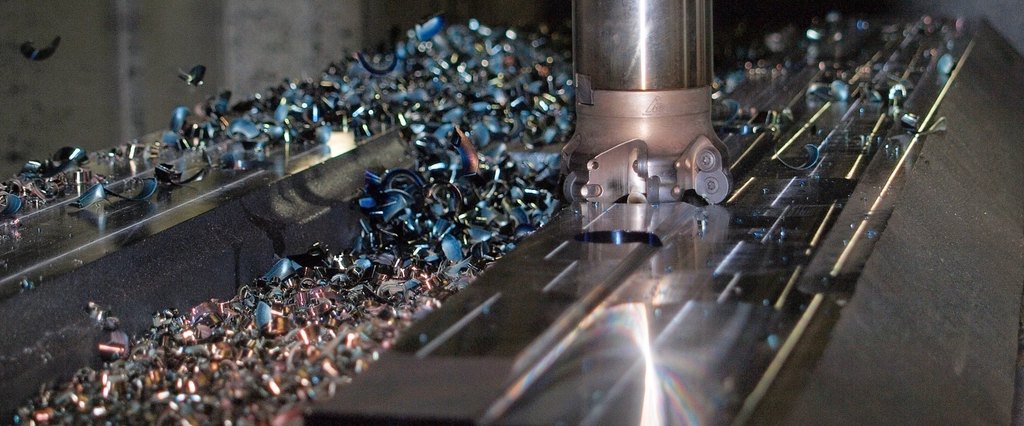
Process IP in quality and maintenance records looks ordinary to a rule. Secuvy classifies it by meaning and tags it where it lives, including the plant floor.

Export-controlled files move across IT, OT, and plant sites. Secuvy finds them by identifiers and context and re-checks the tags as files move.
No. It classifies in place, air-gapped, VPC, or hybrid, and nothing it learns from your data leaves your environment.
You define what matters, and the engine learns what that looks like in your files from content and context, without rules.
Yes. Secuvy classifies engineering data and sends exceptions for review instead of asking engineers to inspect every file. Their confirmations improve future classifications, while every classification decision remains with the team.
Yes. A Data Bill of Materials records what fed each model and what was held out, including the files that never went in.
Confidently fuel every AI pipeline.